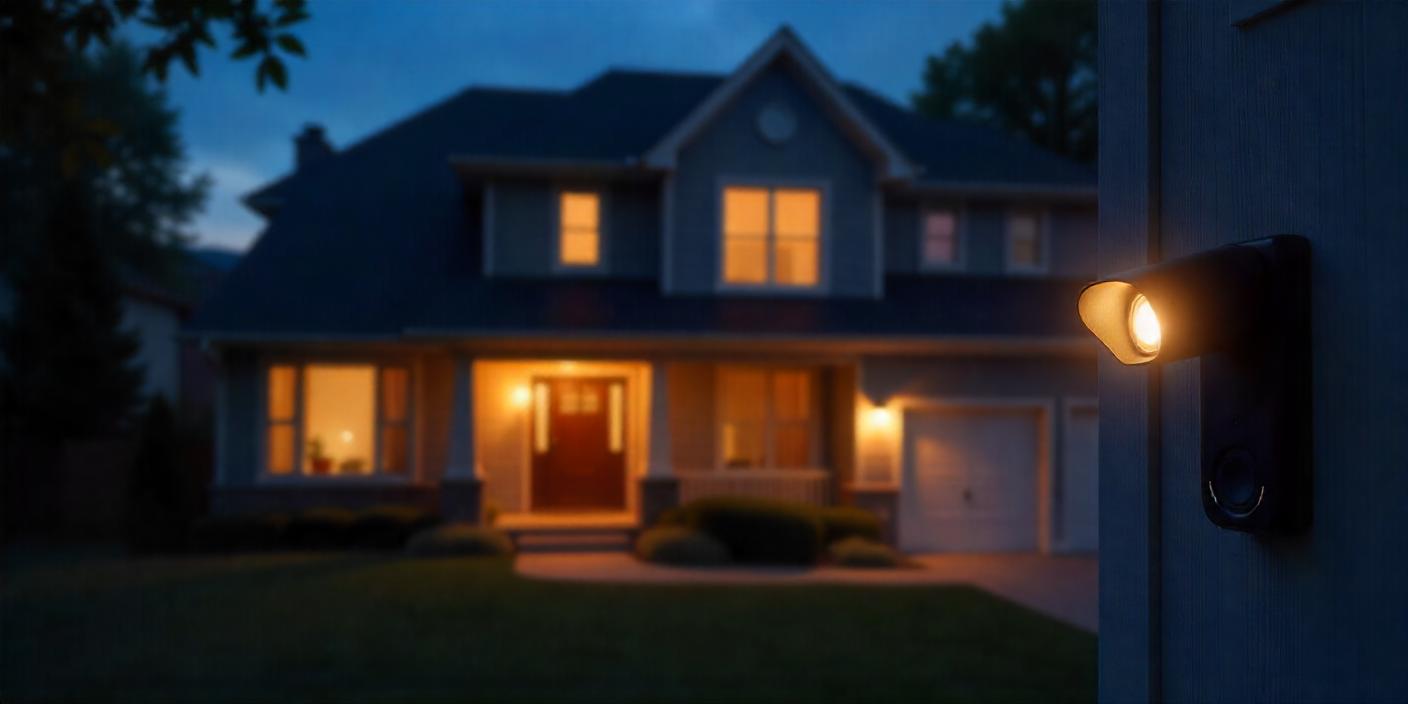
Home security in North America is really two markets. In the United States the large national brands — Vivint and ADT chief among them — install and monitor nationwide, and those are the two we put in front of American readers after years of working with nearly every large regional and national provider. In Canada, those same names either do not operate or do not sell the way they do south of the border, so Canadian readers are better served by our sister site Home Alarms Canada, which compares the providers that actually serve Canadian addresses. This article explains how we narrowed the US list down, and what to look at whichever side of the border you are on.
Why does home security split at the US–Canada border?
Monitoring is a licensed, regional business. A monitoring centre has to be certified in the jurisdiction it serves, installers need provincial or state licensing, and the alarm-verification rules police forces work to are set locally. That is why a brand can be a household name in forty-eight states and effectively absent one border north.
Equipment travels; the service around it does not. The panel, cameras and sensors in a Canadian home may be the same hardware you would find in Ohio, but the monitoring contract, the response protocol, the permit rules and the pricing are all local. Comparing a US provider’s advertised package against a Canadian one usually tells you very little.
Which home security providers do we recommend in the United States?
Two, and we are deliberate about it. Both are on our best home security systems comparison, and both install and monitor nationwide:
- Vivint — professional smart-home security, installed and monitored nationwide. Monitoring starts at $29.99/mo on the Core Home Security plan, with equipment financed separately; the Total Home Security plan at $49.99/mo adds camera monitoring. This is the option to look at if you want the security system and the smart-home layer to be one system rather than two apps.
- ADT (SafeStreets) — ADT professional monitoring, the most recognised security brand in America, sold and installed through SafeStreets. The Complete Monitoring Bundle starts at $36.99/mo with $99 installation and covers 24/7 monitoring, a digital keypad, entryway contacts, a keychain remote, a pet-sensitive motion detector and a backup battery. Higher tiers add remote access, video and home automation.
Prices are the starting figures on our plan records and exclude taxes, permits and equipment financing where it applies. Confirm the current figure for your address before you order.
How did we narrow the list down to two?
By working the market rather than reading spec sheets. Over the years we have dealt with nearly every large regional and national provider in the US across internet, TV and security, which means we have seen the parts of a security purchase that never make the brochure: how long an install actually takes, whether the monitoring contract matches what the salesperson described, what happens when a sensor fails in month fourteen, and how a company behaves when a customer wants out.
Two names survived that filter for nationwide coverage. A short list is the point — a page listing twenty security companies is a page that has not made a decision. If you want the wider market view, the comparison page lays the packages out side by side.
What about home security in Canada?
The providers above are not the answer in Canada, so we do not pretend otherwise. Home Alarms Canada is our sister site, built for Canadian addresses, and it is where we send Canadian readers. What it offers:
- Reviews and comparisons of the systems sold in Canada — monitored alarm packages, cameras, doorbells and smart locks, written against what is actually available to order rather than what is advertised in the US.
- Provider and alternative guides — including head-to-head pieces for readers who have a quote in hand from one company and want to know what the alternatives look like.
- Canadian safety and crime context — break-and-enter and safety data reported at the provincial and metro level, so the risk picture behind the purchase is local rather than borrowed from US statistics.
- Practical buying guidance — monitoring contracts, installation, what a monitored system costs to run, and what to ask before signing.
We are not quoting Canadian pricing here, because pricing and promotions on that side of the border move independently of ours and we would rather send you to the site that keeps them current than publish a figure that is stale by the time you read it.
What should you look for in any home security system?
The questions worth asking are the same in Calgary and in Charlotte:
- Professional monitoring or self-monitoring. A monitored system means someone else is watching and can dispatch. Self-monitoring means a notification on your phone and nothing more. They are different products at different prices.
- Contract length and what breaks it. Monitoring agreements commonly run multiple years. Ask what happens if you move, and whether the equipment moves with you.
- Who owns the equipment. Financed, leased and owned outright are three different outcomes when the contract ends.
- Cellular backup. A system that depends on your home internet is a system that stops when the internet does. Cellular backup is the single upgrade most worth its monthly cost.
- Video storage. Recording is one cost; keeping and reviewing the footage is often another.
- Permits and false-alarm rules. Many municipalities require an alarm permit and fine repeated false alarms. This is local, and it is the detail buyers most often discover after the fact.
- Installation. Professional installation gets sensor placement right, which is the difference between a system that alerts and a system that nuisance-trips.
Do you need internet for a home security system?
For anything with cameras, effectively yes — video needs upload bandwidth, and a system that streams to your phone leans on your connection every time you check it. A monitored panel can fall back to cellular if the line drops, but the everyday experience of a smart security system is only as good as the broadband underneath it. If you are ordering security and internet at the same time, compare the best internet providers at your address in the same call rather than solving them separately, and if you want TV in the mix too, the internet and TV bundles page covers what can be combined on one bill.
Common questions about home security in North America
Can I use a US home security provider in Canada?
Generally no. Monitoring is licensed regionally, installers are licensed provincially, and alarm-response rules are set locally, so a brand that covers the whole United States may not sell in Canada at all. The hardware is often similar; the monitoring service, contract and pricing are not. Canadian readers should compare Canadian providers — that is what our sister site Home Alarms Canada is for.
Which home security providers does HomeLinkd recommend in the US?
Vivint and ADT through SafeStreets. Both install and monitor nationwide, and both came through years of dealing with nearly every large regional and national provider in the US. Vivint monitoring starts at $29.99/mo with equipment financed separately; the ADT Complete Monitoring Bundle starts at $36.99/mo with $99 installation. Call us and we will confirm what each one costs at your address.
Is professional monitoring worth it over a self-monitored system?
It depends what you want the system to do. Self-monitoring sends you a notification and stops there, which is fine if you mainly want to see who is at the door. Professional monitoring means a monitoring centre sees the alarm and can dispatch even when your phone is in a pocket, on a plane or out of battery. If the reason you are buying is response rather than visibility, monitoring is the part you are paying for.
Do I need a permit for a home alarm?
In many municipalities yes, and repeated false alarms often carry a fine. It is set locally on both sides of the border, so check with your city or municipality before installation rather than after. A professional installer will usually know the local rule, which is one practical argument for professional installation.
Will a security system work if my internet goes down?
A monitored panel with cellular backup will keep reporting alarms when the broadband drops — that is exactly what the backup is for. Cameras are a different matter: live view and cloud recording need your internet connection, so an outage means no footage even if the alarm itself still works. If you are relying on video, ask what the system does without a connection before you buy.
Does HomeLinkd charge for help choosing a security system?
No. Comparing and ordering through HomeLinkd is free — you pay the provider directly at the provider’s advertised price. We are an independent comparison service, not a security company.
Homelinkd is an independent comparison service, not Xfinity, Spectrum, AT&T, Cox, Frontier, Dish, DIRECTV or any other provider. Provider names and trademarks belong to their respective owners. Plans, pricing and availability vary by location and are subject to change; confirm details with the provider at time of order.