
Understanding NFTs: Beyond the Hype

Matthew Harrington
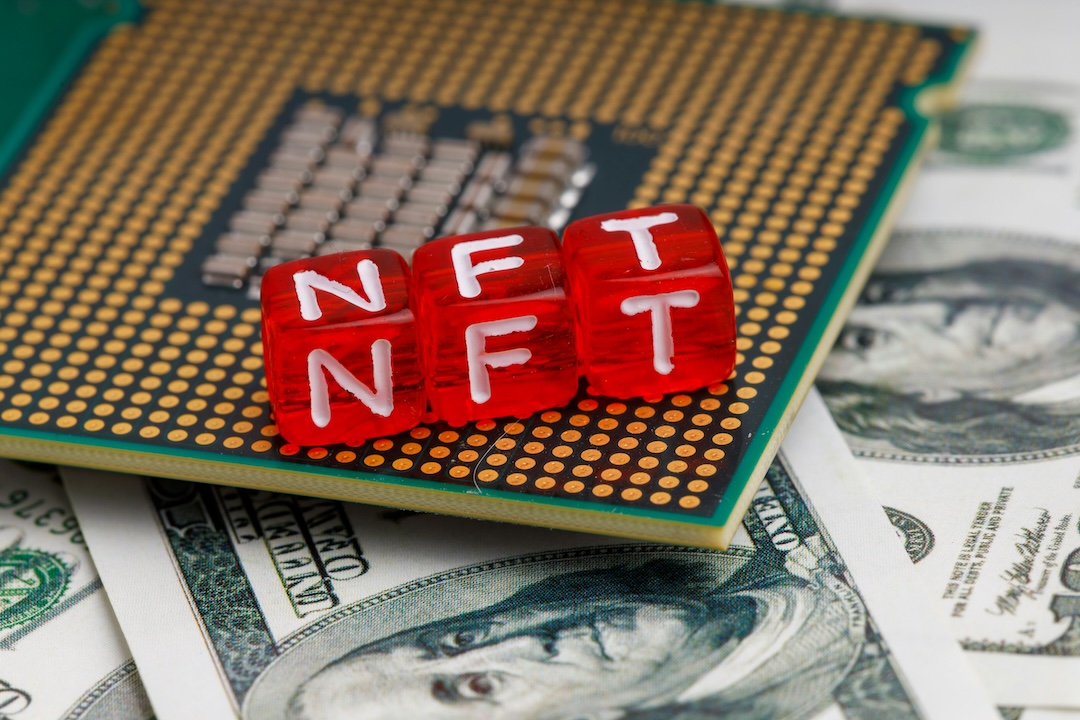
If you were part of the digital frontier in 2021, you undoubtedly heard the buzz about the fascinating world of Non-Fungible Tokens or NFTs. There was a lot of excitement in the space that has since changed dramatically.
Whether you were an artist taking your first small step toward creating an NFT only to find yourself overwhelmed by the complexity and volatility of blockchain markets, or an early adopter investor wondering what happened to all the hype, navigating this space was never easy. Understanding its journey, however, can provide a clearer picture of where NFTs stand today.
An Evolving Digital World
The digital world is constantly evolving. A few years ago (though it can feel much longer), the biggest revolution was Non-Fungible Tokens (NFTs). These unique assets sparked significant debate in the realm of digital property rights. But what set them apart from traditional cryptocurrencies like Bitcoin or Ethereum?
Stored on public-facing digital ledgers known as blockchains, NFTs ensured easy certification and transferability of ownership, offering an unprecedented level of security for online transactions.
The Blockchain Revolution and NFTs
Partly in response to the 2008 financial crisis (and the understandable distrust of central banking that followed) came a potentially groundbreaking innovation: blockchain technology. The goal was to create more transparent systems for online transactions with the decentralized “currency” Bitcoin.
A platform called Ethereum soon followed, introducing smart contracts to allow developers to build complex applications, including those supporting non-fungible tokens.
This approach opened up possibilities beyond simple transactional use cases toward unique virtual goods with hopefully real-world value. The hope was to open doors for artists, creators, and gamers to mint their own unique tokens representing anything they wished. They were no longer limited by physical boundaries, which could, theoretically, increase their reach.
Whether that potential was fully realized is a more complicated story.
Differences Between Cryptocurrencies & Non-Fungible Tokens (NFT)
Cryptocurrencies operate based on scarcity—there will only ever be 21 million bitcoins created, which helps drive their price upward over time. However, they lack individuality, as every bitcoin is essentially identical, making them fungible like physical currencies, where one dollar bill is equivalent to another regardless of distinguishing features.
NFTs, on the other hand, derive their value not from scarcity but from uniqueness. Each token carries specific information that distinguishes it from the rest, making it a promising medium for certifying authenticity and ownership, especially when dealing with original creations.
In essence, while cryptocurrencies serve primarily monetary functions,NFTs have expanded horizons, enabling digitization and monetization across avast array of creative endeavors. Initial investors bet that they would usherin a new era of internet commerce.
This didn’t turn out to be the case. The transaction volume of NFTs hasactually dropped 37% between 2024 and 2025, and the total market value plummetedfrom around $9 billion to closer to $2.4 billion.
The NFT frenzy was real, if short-lived. That said, while the speculativemarket has collapsed, the technology still has utility.
The Rise of NFT Ecosystems
As we look back at the digital frontier, we may remember the rapid emergence and growth of Non-Fungible Tokens (NFTs). In the beginning, NFT projects were as diverse as they come—from high-value art pieces auctioned offfor millions to exclusive membership tokens like those conferred by Bored ApeYacht Club's ape images. Being part of the NFT ecosystem was not just about owning an asset, but it was about being part of something greater.
In 2021, it seemed like everyone wanted in on the new gold rush. High-profile sales at reputable auction houses such as Christie’s caught global attention with record-breaking prices fetched by works like Beeple’s “Everydays: The First 5000 Days” for $69.3 million.
The frenzy wasn’t confined solely to artists, either—celebrities rushed in as well. From NBA superstar LeBron James' collaboration with Top Shot—a platform that allowed fans to trade officially licensed NBA highlight clips, mainstream acceptance seemed inevitable.
Over the years, innovative projects have shown traction within the ecosystem. One of the successful NFT-native properties, for example, offered 10,000 uniquely generated characters known as CryptoPunks, each owned outright, without any restrictions imposed by the creators, Larva Labs. Other notable examples include World of Women, an empowering collection, and Pudgy Penguins, an adorable penguin-themed project.
The enthusiasm, though, proved difficult to sustain.
Can Artists Benefit from NFTs?
The NFT frenzy rapidly turned the art world on its head. And some artists were able to monetize their work in unprecedented ways.
Because they could sell directly to consumers through blockchain technology without intermediaries, some artists gained greater control over their intellectual property. Others enjoyed higher returns than allowed by traditional art market channels. More artists, though, especially those who entered after the peak, did not benefit as much, if at all, from the technology.
Artists have also explored NFTs beyond just digital ownership. For instance, NFTs can now connect with real-world offers or benefits, such as access to exclusive events or content related to that artist's body of work.
Royalty Contracts: A Game Changer
Ethereum-based platforms have provided a major advantage—royalty contracts embedded within smart contracts used when creating an NFT asset.
These contracts allow creators to not only profit from initial sales but also receive royalties every time their works are resold on secondary markets—something unheard of in traditional arts marketplaces, where once sold,they wouldn’t see further profits if their work appreciated later.
That said, many NFT marketplaces have since made royalties optional or reduced enforcement, so the promise hasn’t fully held up. Worse, since 2022 –23, several platforms have walked back mandatory royalties.
Are There Investment Opportunities in the World of NFTs?
The world of Non-Fungible Tokens opened up a new investment frontier. These unique digital assets caught the attention of investors worldwide. The sphere of decentralized finance (DeFi), closely tied to NFTs, provided a platform for financial transactions with hopes for higher returns.
Purchasing ownership rights over specific pieces of digital content was the crux of investing in NFTs from art and music to virtual real estate. Some early investors were successful by buying low on NFT projects and selling high.
As enticing as this market originally seemed to be, many investors overlooked the inherent risks of market volatility and a constantly changing landscape. Prices swung wildly due to factors such as celebrity endorsements or sudden shifts in public sentiment, ultimately leading to a significant drop in interest.
Fraud was also a considerable threat within this space since the market remained unregulated compared to traditional markets. Scammers still sell fake or plagiarized work. Others engage in "rug pulls," where creators vanish after the sale, leaving buyers without anything tangible despite having paid.
Lack of regulation has been another major concern. While steps have been taken to establish legal frameworks for blockchain technology, much remains uncertain and volatile. Even as experts at various conferences emphasized the need for more clarity surrounding regulatory frameworks.
Conclusion
As we've journeyed through the power of NFTs—from their inception on blockchain technology to high-profile sales and celebrity endorsements to the opportunities for artists—we’ve found they didn’t live up to the hype.
To be clear, NFTs aren’t dead. But they are significantly different than originally imagined. The market is both smaller and more professional. There are fewer winners, and many, often lower effort, projects simply faded away. A small group of high-quality projects has earned real revenue and continues to thrive to this day—especially those tied to real utility.
The big shift has been from speculation to infrastructure. NFTs are no longer static images; they’ve become programmable objects integrated into everyday products, serving as infrastructure for ownership, identity, and access management.
One model that has seen more success is with gaming NFTs, which as of 2026 now command 38% of the total transaction volume, driven by play-to-earn and genuine ownership models. That is, people use NFTs for in-game assets, digital collectibles, event tickets, luxury product verification, and even property records, along with brand loyalty programs that offer tangible rewards.
While flipping NFT art is no longer viable when it comes to quick profits, NFT technologies continue to underpin authentication and digital ownership. The NFT ecosystems are still evolving, and generative art movements may soon lead the charge.













.svg)
.svg)